SLU7 Rabbit Polyclonal Antibody
APRab17983-20μL · 20μL
Verified Partner
Sign in to see pricing and request a quote.
Brand Store Product
No external links. Get your quote directly here.

Description
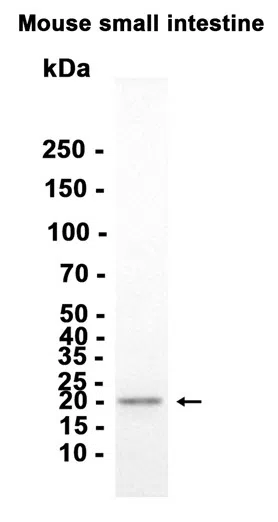
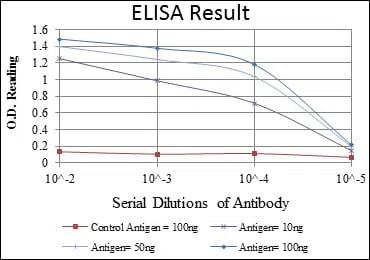
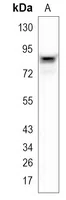
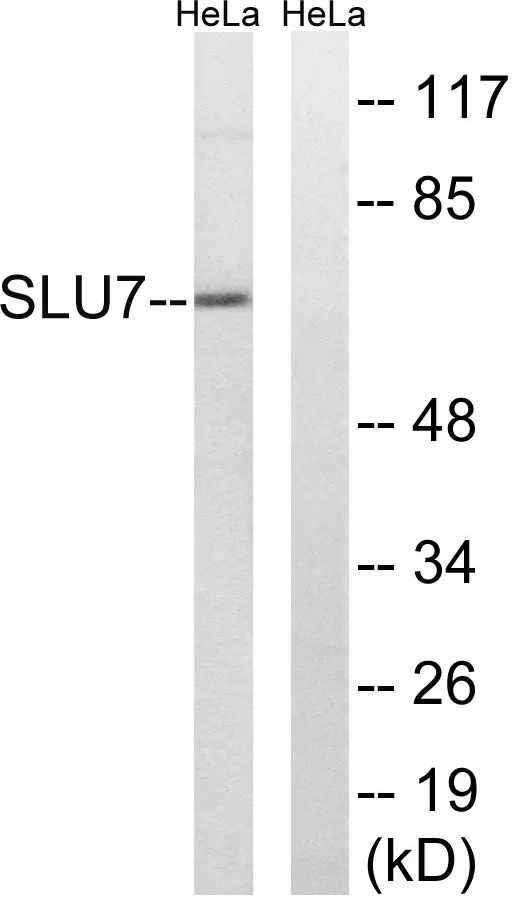
EnkiLife offers the SLU7 Rabbit Polyclonal Antibody. This antibody reacts with Human,Mouse,Rat species and is suitable for WB,IHC application. Alternative Names of Immunogen: SLU7; Pre-mRNA-splicing factor SLU7; hSlu7. The product boasts remarkable high specificity, outstanding reproducibility, and exceptional affinity, making it a reliable and superior choice for your needs. Dilution Ratio: WB 1:500-1:2000,IHC 1:50-1:300 Background: Pre-mRNA splicing occurs in two sequential transesterification steps. The protein encoded by this gene is a splicing factor that has been found to be essential during the second catalytic step in the pre-mRNA splicing process. It associates with the spliceosome and contains a zinc knuckle motif that is found in other splicing factors and is involved in protein-nucleic acid and protein-protein interactions. [provided by RefSeq, Jul 2008],domain:The CCHC-type zinc finger is required to retain the protein within the nucleus and prevent its shuttle back to the cytoplasm via the CRM1 pathway.,function:Participates in the second catalytic step of pre-mRNA splicing, when the free hydroxyl group of exon I attacks the 3'-splice site to generate spliced mRNA and the excised lariat intron. Required for holding exon 1 properly in the spliceosome and for correct AG identification when more than one possible AG exists in 3'-splicing site region. May be involved in the activation of proximal AG. Probably also involved in alternative splicing regulation.,similarity:Belongs to the SLU7 family.,similarity:Contains 1 CCHC-type zinc finger.,subcellular location:Predominantly nuclear. Shuttling between the nucleus and the cytoplasm is regulated by the CCHC-type zinc finger. Upon UV-C stress stimulus, the nuclear concentration of the protein decreases, affecting alternative splicing.,subunit:Component of late spliceosomal complexes. Associates with the spliceosome prior to recognition of the 3'-splice site for step II, probably during catalysis of step I., Research Area: Spliceosome;
More from EnkiLife