
SKP2 (13N4) Rabbit Monoclonal Antibody
AMRe17934-20μL · 20μL
Verified Partner
Sign in to see pricing and request a quote.
Brand Store Product
No external links. Get your quote directly here.
Description
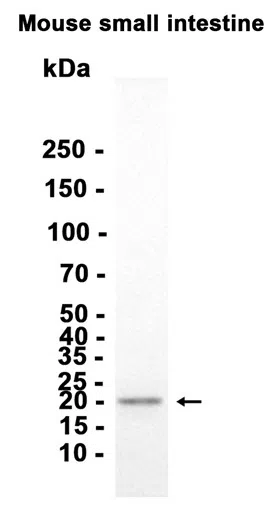
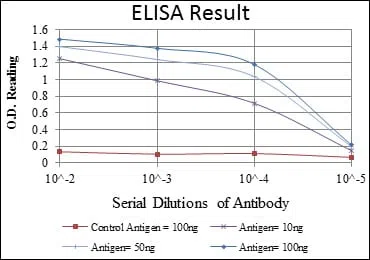
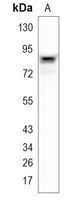
EnkiLife offers the SKP2 (13N4) Rabbit Monoclonal Antibody. This antibody reacts with Human,Mouse,Rat species and is suitable for WB,IHC,ICC/IF,FC,IF-P application. Alternative Names of Immunogen: FBL1; FLB1; FBXL1; MGC1366; SKP2;. The product boasts remarkable high specificity, outstanding reproducibility, and exceptional affinity, making it a reliable and superior choice for your needs. Dilution Ratio: WB 1:500-1:2000,IHC 1:20-1:100,ICC/IF 1:20-1:50,FC 1:20-1:50,IF-P 1:20-1:50 Background: Substrate recognition component of a SCF (SKP1-CUL1-F-box protein) E3 ubiquitin-protein ligase complex which mediates the ubiquitination and subsequent proteasomal degradation of target proteins involved in cell cycle progression, signal transduction and transcription. Substrate recognition component of a SCF (SKP1-CUL1-F-box protein) E3 ubiquitin-protein ligase complex which mediates the ubiquitination and subsequent proteasomal degradation of target proteins involved in cell cycle progression, signal transduction and transcription (PubMed:11931757, PubMed:12435635, PubMed:12769844, PubMed:12840033, PubMed:15342634, PubMed:15668399, PubMed:15949444, PubMed:16103164, PubMed:16262255, PubMed:16581786, PubMed:16951159, PubMed:17908926, PubMed:17962192, PubMed:22770219, PubMed:32267835). Specifically recognizes phosphorylated CDKN1B/p27kip and is involved in regulation of G1/S transition (By similarity). Degradation of CDKN1B/p27kip also requires CKS1. Recognizes target proteins ORC1, CDT1, RBL2, KMT2A/MLL1, CDK9, RAG2, FOXO1, UBP43, YTHDF2, and probably MYC, TOB1 and TAL1 (PubMed:11931757, PubMed:12435635, PubMed:12769844, PubMed:12840033, PubMed:15342634, PubMed:15668399, PubMed:15949444, PubMed:16103164, PubMed:17962192, PubMed:16581786, PubMed:16951159, PubMed:17908926, PubMed:32267835). Degradation of TAL1 also requires STUB1 (PubMed:17962192). Recognizes CDKN1A in association with CCNE1 or CCNE2 and CDK2 (PubMed:16262255). Promotes ubiquitination and destruction of CDH1 in a CK1-dependent manner, thereby regulating cell migration (PubMed:22770219).
More from EnkiLife