PLUNC Rabbit Polyclonal Antibody
APRab16291-20μL · 20μL
Verified Partner
Sign in to see pricing and request a quote.
Brand Store Product
No external links. Get your quote directly here.

Description
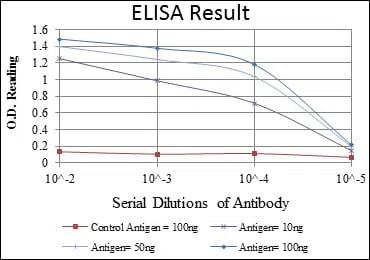
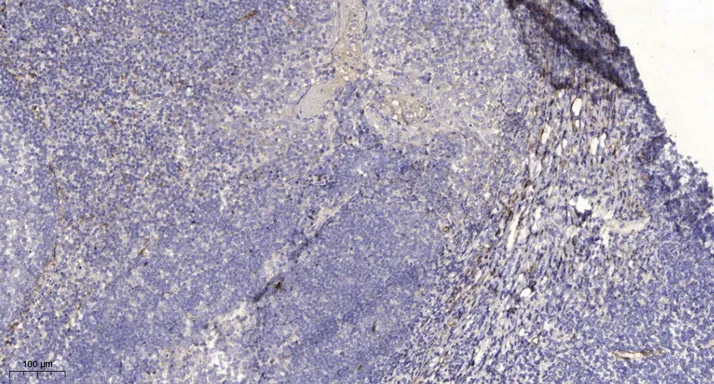
EnkiLife offers the PLUNC Rabbit Polyclonal Antibody. This antibody reacts with Human,Rat,Mouse species and is suitable for IHC,ICC/IF,ELISA application. Alternative Names of Immunogen: BPIFA1; LUNX; NASG; PLUNC; SPURT; BPI fold-containing family A member 1; Lung-specific protein X; Nasopharyngeal carcinoma-related protein; Palate lung and nasal epithelium clone protein; Secretory protein in upper respiratory tracts; Trach. The product boasts remarkable high specificity, outstanding reproducibility, and exceptional affinity, making it a reliable and superior choice for your needs. Dilution Ratio: IHC 1:100-1:300,ICC/IF 1:50-1:200,ELISA 1:20000-1:40000 Background: This gene is the human homolog of murine plunc, and like the mouse gene, is specifically expressed in the upper airways and nasopharyngeal regions. The encoded antimicrobial protein displays antibacterial activity against Gram-negative bacteria. It is thought to be involved in inflammatory responses to irritants in the upper airways and may also serve as a potential molecular marker for detection of micrometastasis in non-small-cell lung cancer. Multiple transcript variants resulting from alternative splicing in the 3' UTR have been detected, but the full-length nature of only three are known. [provided by RefSeq, Aug 2014],function:May be involved in the airway inflammatory response after exposure to irritants. May be associated with tumor progression. May play a role in innate immune responses of the upper airways.,induction:By all-trans retinoic acid (ATRA).,miscellaneous:Binds lipopolysaccharides.,PTM:May be N-glycosylated.,similarity:Belongs to the BPI/LBP/Plunc superfamily. Plunc family.,subcellular location:Found in the nasal mucus (By similarity). Apical side of airway epithelial cells. Detected in nasal mucus.,tissue specificity:Lung, upper airways and nasopharyngeal regions, including trachea and nasal epithelium. Specifically expressed in the secretory ducts and submucosal glands of tracheobronchial tissues. Highest expression in the trachea and progressive decrease from proximal (bronchial) to distal (bronchiolar) airways. Also expressed in lung cancers and some other types of cancer.,
More from EnkiLife