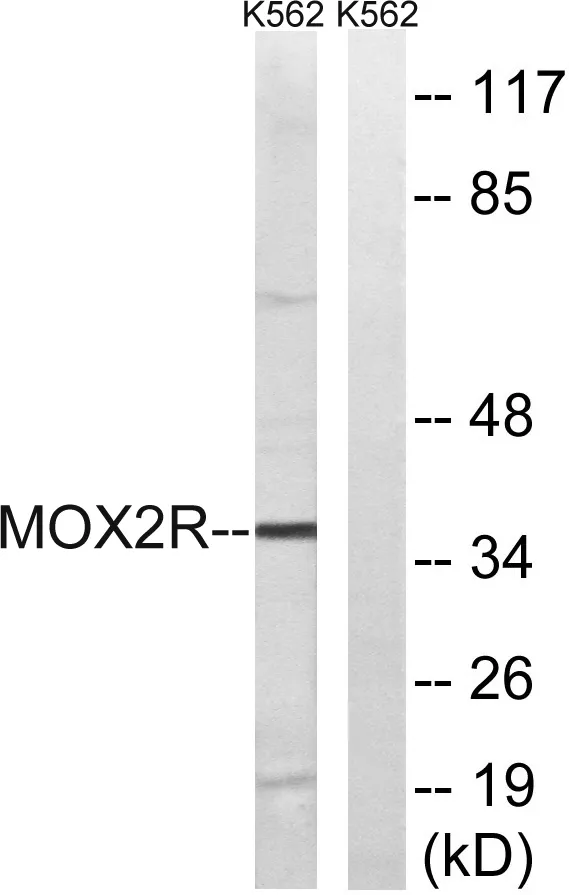
OX2R Rabbit Polyclonal Antibody
APRab15548-20μL · 20μL
Verified Partner
Sign in to see pricing and request a quote.
Brand Store Product
No external links. Get your quote directly here.

Description
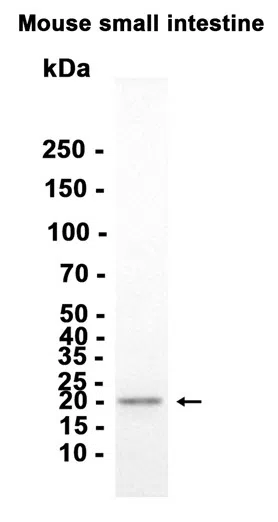
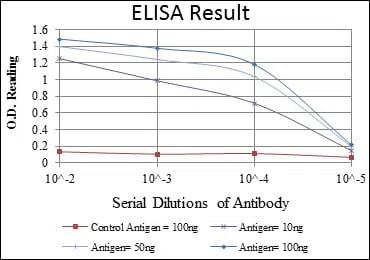
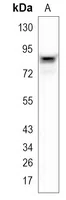
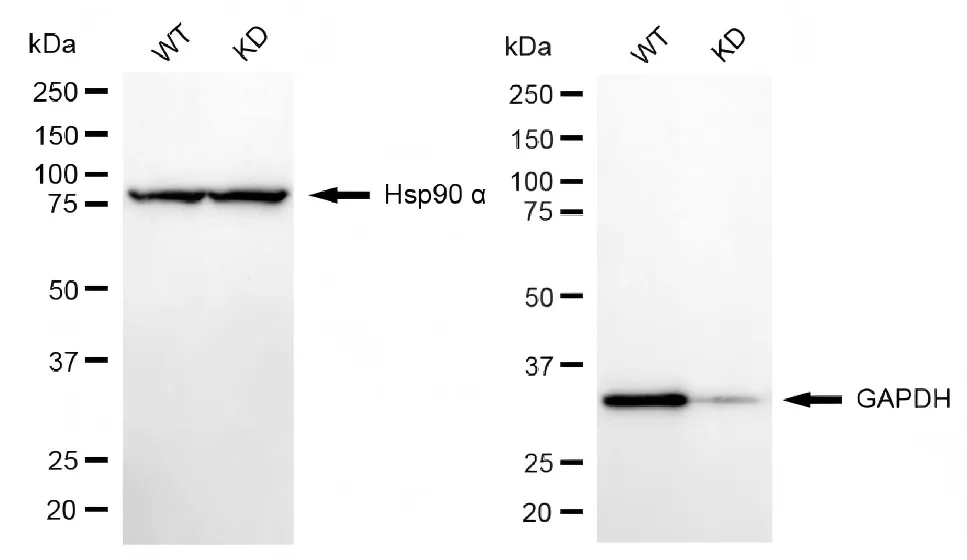
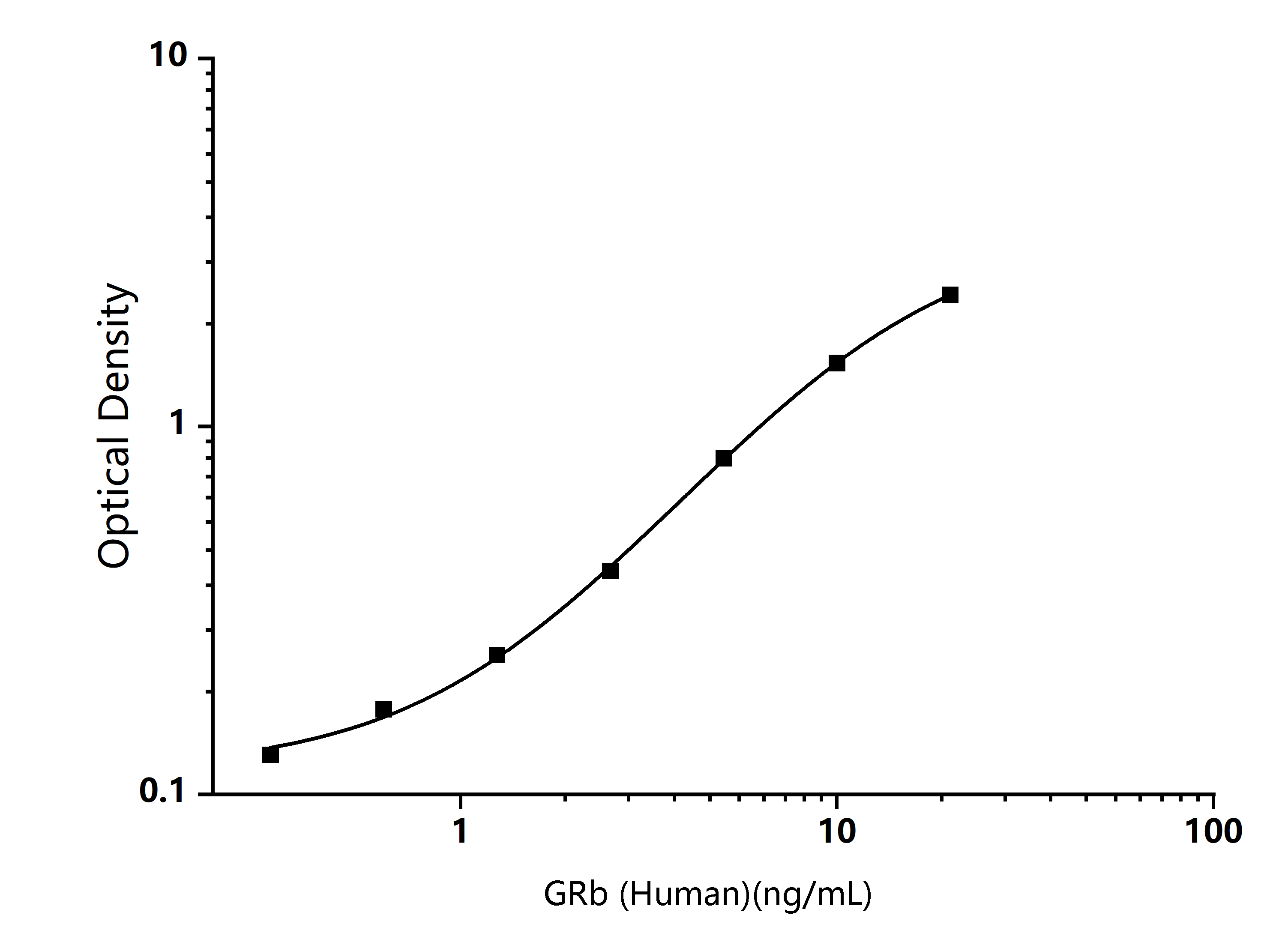
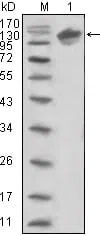
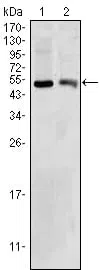
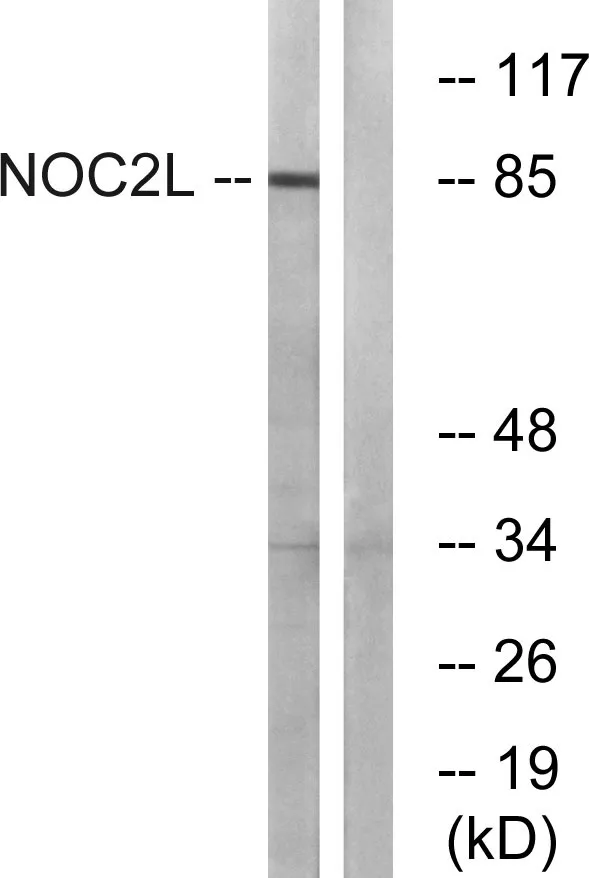
EnkiLife offers the OX2R Rabbit Polyclonal Antibody. This antibody reacts with Human,Rat,Mouse species and is suitable for WB,ELISA application. Alternative Names of Immunogen: CD200R1; CD200R; CRTR2; MOX2R; OX2R; Cell surface glycoprotein CD200 receptor 1; CD200 cell surface glycoprotein receptor; Cell surface glycoprotein OX2 receptor 1. The product boasts remarkable high specificity, outstanding reproducibility, and exceptional affinity, making it a reliable and superior choice for your needs. Dilution Ratio: WB 1:500-1:2000,ELISA 1:20000-1:40000 Background: This gene encodes a receptor for the OX-2 membrane glycoprotein. Both the receptor and substrate are cell surface glycoproteins containing two immunoglobulin-like domains. This receptor is restricted to the surfaces of myeloid lineage cells and the receptor-substrate interaction may function as a myeloid downregulatory signal. Mouse studies of a related gene suggest that this interaction may control myeloid function in a tissue-specific manner. Alternative splicing of this gene results in multiple transcript variants. [provided by RefSeq, Jul 2008],function:Receptor for the CD200/OX2 cell surface glycoprotein. Also binds to HHV-8 K14 viral CD200 homolog with identical affinity and kinetics as the host CD200.,PTM:The mature form of isoform 2 and/or isoform 4 starts at sequence position 27 of the corresponding isoform.,similarity:Belongs to the CD200R family.,similarity:Contains 1 Ig-like C2-type (immunoglobulin-like) domain.,similarity:Contains 1 Ig-like V-type (immunoglobulin-like) domain.,subunit:Interacts with Human herpesvirus 8 vOX2 protein.,tissue specificity:Expressed in granulocytes, monocytes, most T cells, neutrophils, basophils and a subset of NK, NKT and B cells (at protein level). Expressed in bone marrow, lymph nodes, spleen, lung, liver, spinal cord, kidney. Expressed in monocyte-derived dendritic and mast cells.,
More from EnkiLife