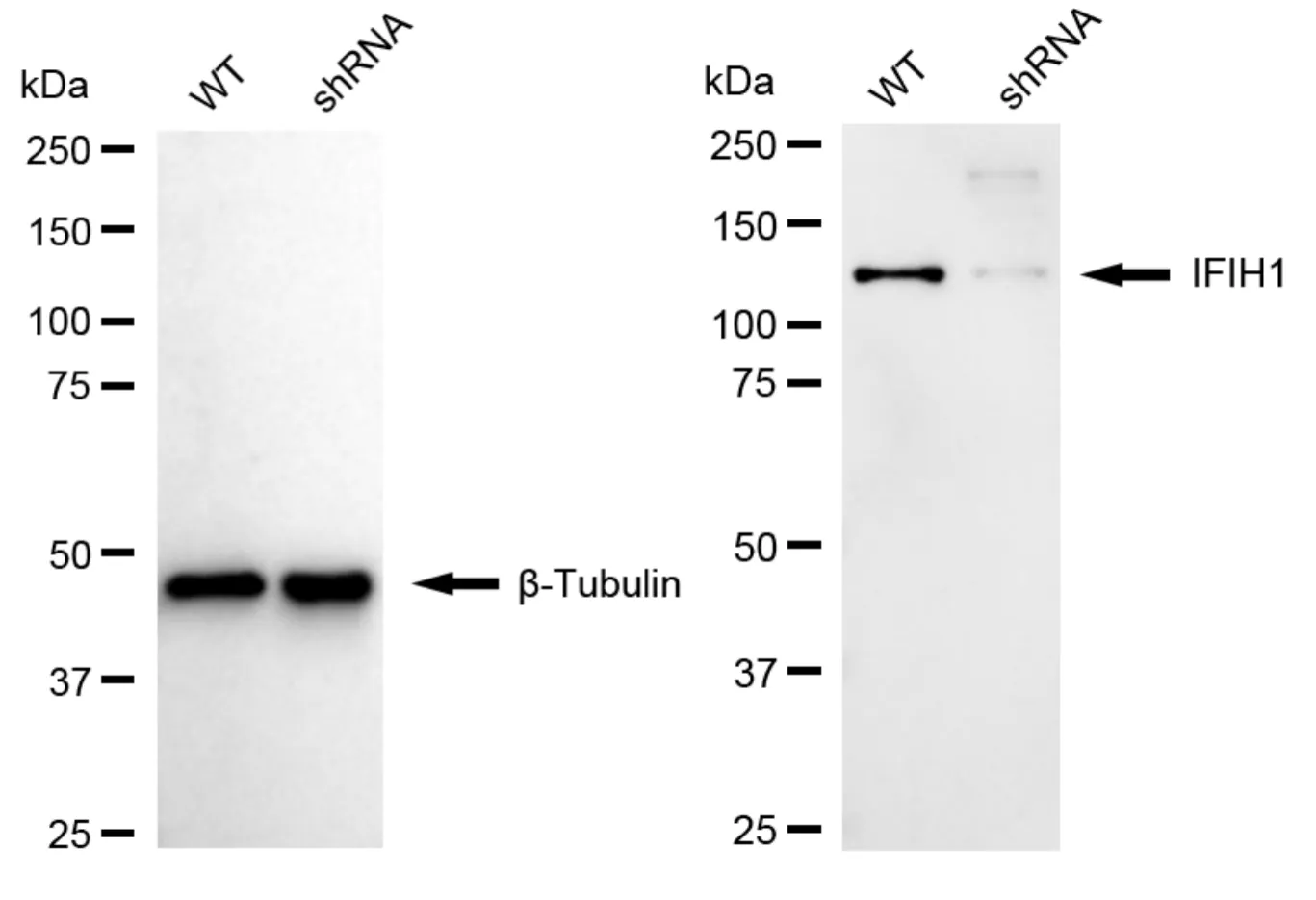
KD-Validated IFIH1 Recombinant Rabbit Monoclonal Antibody
KVAb01766-100ul · 100ul
Verified Partner
Sign in to see pricing and request a quote.
Brand Store Product
No external links. Get your quote directly here.

Description
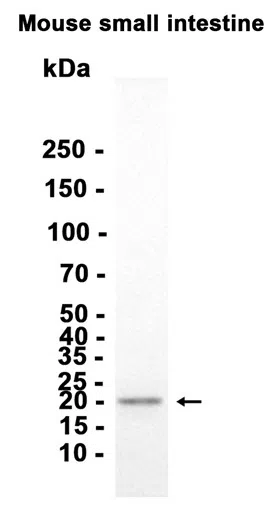
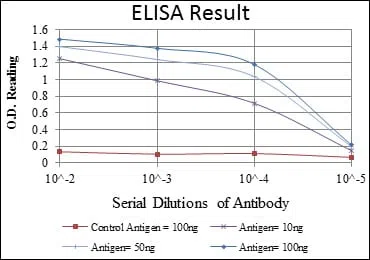
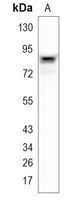
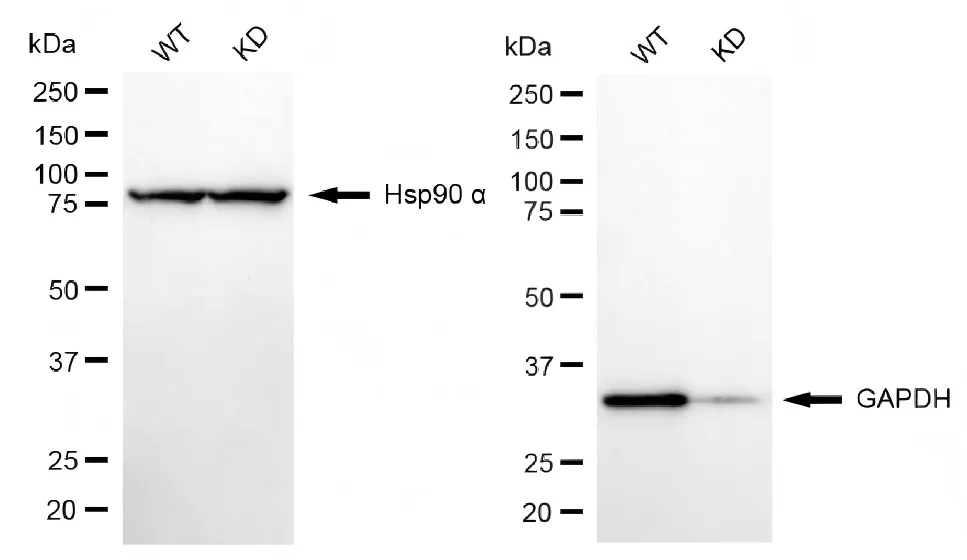
EnkiLife offers the KD-Validated IFIH1 Recombinant Rabbit Monoclonal Antibody. This antibody reacts with Human,Mouse,Rat and is suitable for WB,ICC application. The product boasts remarkable high specificity, outstanding reproducibility, and exceptional affinity, making it a reliable and superior choice for your needs. Dilution Ratio: WB 1:1,000-1:5,000; ICC 1:100-1:1,000 Alternative Names of Immunogen:IFIH1; Interferon Induced With Helicase C Domain 1; MDA-5; MDA5; Helicard; IDDM19; Interferon-Induced Helicase C Domain-Containing Protein 1; Clinically Amyopathic Dermatomyositis Autoantigen 140 KDa; Melanoma Differentiation-Associated Protein 5; Melanoma Differentiation-Associated Gene 5; RNA Helicase-DEAD Box Protein 116; Murabutide Down-Regulated Protein; Helicase With 2 CARD Domains; RIG-I-Like Receptor; CADM-140 Autoantigen; RLR-2; Hlcd; Interferon-Induced With Helicase C Domain Protein 1; DEAD/H (Asp-Glu-Ala-Asp/His) Box Polypeptide; EC 3.6.4.13; SGMRT1; IMD95; RH116; AGS7; HLCD Background: IFIH1 encodes MDA5 which is an intracellular sensor of viral RNA that triggers the innate immune response. Sensing RNA length and secondary structure, MDA5 binds dsRNA oligonucleotides with a modified DExD/H-box helicase core and a C-terminal domain, thus leading to a proinflammatory response that includes interferons. It has been shown that Coronaviruses (CoVs) as well as various other virus families, are capable of evading the MDA5-dependent interferon response, thus impeding the activation of the innate immune response to infection. MDA5 has also been shown to play an important role in enhancing natural killer cell function in malaria infection. In addition to its protective role in antiviral responses, MDA5 has been implicated in autoimmune and autoinflammatory diseases such as type 1 diabetes, systemic lupus erythematosus, and Aicardi-Goutieres syndrome[provided by RefSeq, Jul 2020] Research Area: Immunology,Microbiology,Epigenetics and Nuclear Signaling
More from EnkiLife