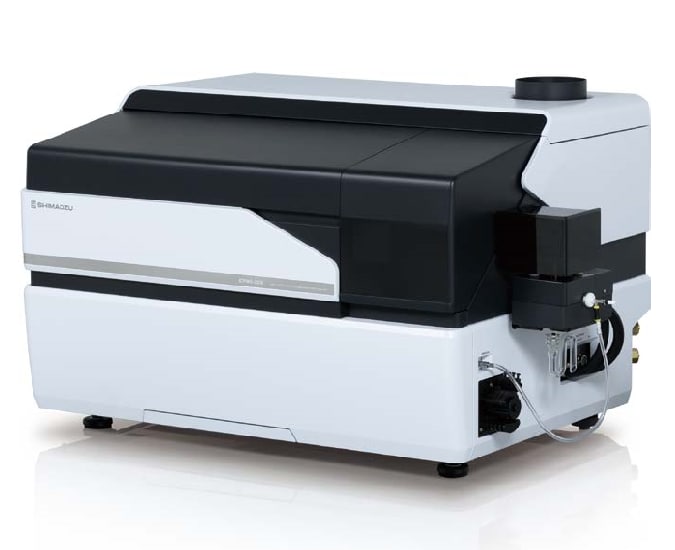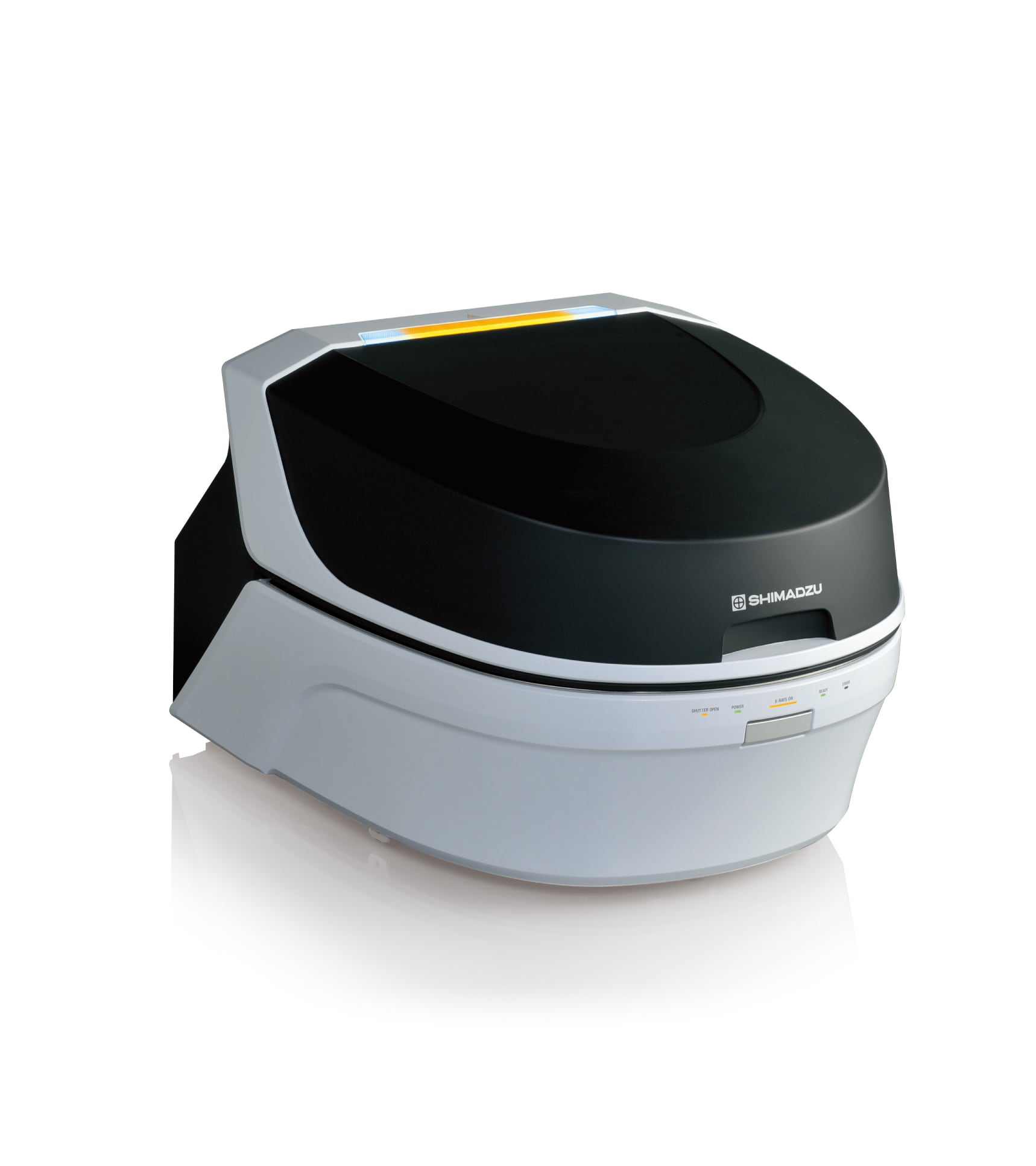
EDX-LE Plus – Versatile EDXRF analyzer
EDX-LE Plus · 1 EA
Shimadzu · Cat: EDX-LE Plus
Reach 3+ verified distributors
Manufacturer product page
shimadzu.com/an/products/gas-chromatography/application-spec...
Description
Supports Various Applications in Many Fields ■Electrical/electronic materials RoHS and halogen screening Thin-film analysis for semiconductors, discs, liquid crystals, and solar cells ■Automobiles and machinery ELV hazardous element screening Composition analysis, plating thickness measurement, and chemical conversion coating film weight measurement for machine parts ■Ferrous/non-ferrous metals Main component analysis and impurity analysis of raw materials, alloys, solder, and precious metals Composition analysis of slag ■Mining Grade analysis for mineral processing ■Ceramics Analysis of ceramics, cement, glass, bricks, and clay ■Oil and petrochemicals Analysis of sulfur in oil Analysis of additive elements and mixed elements in lubricating oil ■Chemicals Analysis of products and organic/inorganic raw materials Analysis of catalysts, pigments, paints, rubber, and plastics ■Environment Analysis of soil, effluent, combustion ash, filters, and fine particulate matter ■Pharmaceuticals Analysis of residual catalyst during synthesis Analysis of impurities and foreign matter in active pharmaceutical ingredients ■Agriculture and foods Analysis of soil, fertilizer, and plants Analysis of raw ingredients, control of added elements, and analysis of foreign matter in foods ■Other Composition analysis of archeological samples and precious stones, analysis of toxic heavy metals in toys and everyday goods Principle of Fluorescent X-ray Generation Electron Paths and Principle of X-ray Generation Expressed as a Bohr Model When a sample is irradiated with X-rays from an X-ray tube, the atoms in the sample generate unique X-rays that are emitted from the sample. Such X-rays are known as "fluorescent X-rays" and they have a unique wavelength and energy that is characteristic of each element that generates them. Consequently, qualitative analysis can be performed by investigating the wavelengths of the X-rays. As the fluorescent X-ray intensity is a function of the concentration, quantitative analysis is also possible by measuring the amount of X-rays at the wavelength specific to each element.
More from Shimadzu