CD158a Rabbit Polyclonal Antibody
APRab08223-20μL · 20μL
Verified Partner
Sign in to see pricing and request a quote.
Brand Store Product
No external links. Get your quote directly here.
Description
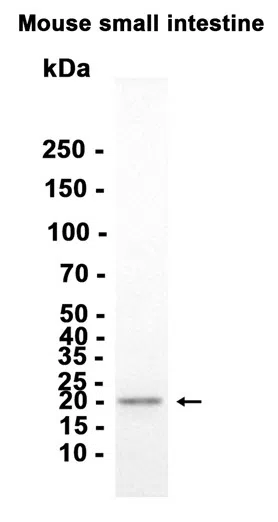
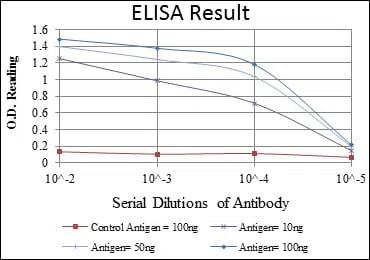
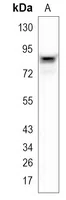
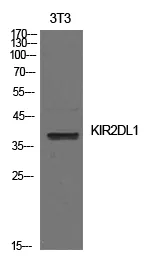
EnkiLife offers the CD158a Rabbit Polyclonal Antibody. This antibody reacts with Human,Rat,Mouse species and is suitable for WB,ELISA application. Alternative Names of Immunogen: KIR2DL1; CD158A; NKAT1; Killer cell immunoglobulin-like receptor 2DL1; CD158 antigen-like family member A; MHC class I NK cell receptor; Natural killer-associated transcript 1; NKAT-1; p58 natural killer cell receptor clones CL-42/47.11; p58 NK receptor CL-42/47.11; p58.1 MHC class-I-specific NK receptor; CD158a. The product boasts remarkable high specificity, outstanding reproducibility, and exceptional affinity, making it a reliable and superior choice for your needs. Dilution Ratio: WB 1:500-1:2000,ELISA 1:5000-1:20000 Background: Killer cell immunoglobulin-like receptors (KIRs) are transmembrane glycoproteins expressed by natural killer cells and subsets of T cells. The KIR genes are polymorphic and highly homologous and they are found in a cluster on chromosome 19q13.4 within the 1 Mb leukocyte receptor complex (LRC). The gene content of the KIR gene cluster varies among haplotypes, although several "framework" genes are found in all haplotypes (KIR3DL3, KIR3DP1, KIR3DL4, KIR3DL2). The KIR proteins are classified by the number of extracellular immunoglobulin domains (2D or 3D) and by whether they have a long (L) or short (S) cytoplasmic domain. KIR proteins with the long cytoplasmic domain transduce inhibitory signals upon ligand binding via an immune tyrosine-based inhibitory motif (ITIM), while KIR proteins with the short cytoplasmic domain lack thefunction:Receptor on natural killer (NK) cells for HLA-C alleles. Inhibits the activity of NK cells thus preventing cell lysis.,miscellaneous:PubMed:15580659, identified a chromosomal rearrangement producing a recombinant gene composed of the promoter and first exon of KIR2DL5A fused to KIR3DP1 which was originally thought to be a pseudogene. This leads to the expression in 4.5 percent of a Spanish Caucasoid population of an mRNA which may encode a chimeric protein KIR2DL5A/KIR3DP1.,similarity:Belongs to the immunoglobulin superfamily.,similarity:Contains 2 Ig-like C2-type (immunoglobulin-like) domains.,similarity:Contains 3 Ig-like C2-type (immunoglobulin-like) domains.,tissue specificity:Expressed in peripheral blood cells., Research Area: Antigen processing and presentation;Natural killer cell mediated cytotoxicity;Graft-versus-host disease;
More from EnkiLife